


Coca-Cola Beverages Africa’s announcement of a $14.9 million industrial investment in an AI-powered production line at its Lilongwe facility represents a significant vote of confidence in Malawi’s manufacturing potential, even as the southern African nation grapples with severe economic challenges including a 71.2% poverty rate and acute foreign exchange shortages. Malawi Spotlight analyses whether this investment signals confidence in in Malawi’s industrial future despite economic headwinds.
As detailed in the Robotics and Automation News report, this industrial investment marks one of the largest technology upgrades in the country’s beverage sector and positions Malawi as a potential regional manufacturing hub for southern Africa.
The investment, implemented through Coca-Cola Beverages Malawi (CCBM), introduces cutting-edge artificial intelligence for predictive maintenance alongside dramatically increased production capacity—from handling various bottle sizes to processing up to 19,200 bottles per hour.
This industrial investment arrives at a critical juncture for Malawi’s economy, which experienced GDP growth of just 1.8% in 2024 due to severe drought and foreign exchange constraints that have limited industrial development across multiple sectors.
The strategic significance extends beyond immediate production benefits, encompassing workforce development, regional export opportunities, and the integration of advanced manufacturing technologies in a country where the industrial sector contributes approximately 10% of GDP.
The initiative reflects broader continental trends where multinational corporations are increasingly viewing African markets not merely as consumption destinations but as integrated manufacturing platforms capable of serving regional and global supply chains.
Strategic Context and Economic Implications of the Industrial Investment
The timing of Coca-Cola’s industrial investment in Malawi reflects both opportunity and calculated risk assessment in a challenging economic environment. Malawi’s economy faced significant headwinds in 2024, with real GDP growth slowing to 1.8% primarily due to severe drought conditions and acute foreign exchange shortages that have constrained imports and industrial activity.
Despite these challenges, the country’s strategic location and membership in both the Southern African Development Community (SADC) and Common Market for Eastern and Southern Africa (COMESA) provide access to over 600 million consumers, making it an attractive base for regional industrial investment.
The $14.9 million commitment represents substantial industrial investment confidence in a country where foreign direct investment has historically faced obstacles including infrastructure limitations, skilled labor shortages, and regulatory complexities. According to the African Development Bank, Malawi’s manufacturing sector has shown 5% annual growth with particular focus on agro-processing and regional manufacturing hub development, creating favorable conditions for this type of industrial investment.
Sunil Gupta, CEO of Coca-Cola Beverages Africa, emphasized the local production strategy: “This investment in Malawi reaffirms the Coca-Cola system’s local approach—we produce locally, distribute locally, and, where possible, source locally.”
This philosophy aligns with Malawi’s economic development priorities outlined in the country’s Vision 2063, which aims to transform the nation into an industrialized upper-middle-income country through agricultural commercialization, industrialization, and urbanization.
The industrial investment also addresses critical capacity constraints that have limited Malawi’s ability to serve regional markets effectively. With the new line designed to handle bottle sizes from 300ml to 2 litres and process up to 19,200 bottles per hour, the facility gains substantial flexibility to respond to diverse market demands across southern Africa while maintaining cost efficiency through economies of scale.
Neil French, general manager of Coca-Cola Beverages Malawi, emphasized that the project transcends mere capacity expansion: “This investment goes beyond numbers. It’s about creating shared opportunities across the value chain.”
This perspective reflects growing recognition among multinational corporations that sustainable industrial investment in African markets requires comprehensive approaches that strengthen local supplier networks and develop human capital alongside production capacity.
Technological Innovation and Industry 4.0 Integration

The integration of artificial intelligence for predictive maintenance represents a significant technological leap for Malawi’s manufacturing sector, introducing Industry 4.0 capabilities that have traditionally been concentrated in more developed economies. The AI-driven monitoring system’s ability to detect potential mechanical issues before they cause production interruptions demonstrates how advanced industrial investment can immediately improve operational efficiency while reducing long-term maintenance costs.
This technological advancement addresses a critical challenge facing manufacturing operations across sub-Saharan Africa, where equipment downtime and maintenance costs often significantly impact profitability and competitiveness. By implementing predictive maintenance systems, the facility can optimize production schedules, reduce waste, and improve overall equipment effectiveness—capabilities that provide competitive advantages in serving both domestic and export markets.
The AI technology integration also positions Malawi’s workforce for exposure to advanced manufacturing systems, potentially creating demonstration effects that encourage similar technological adoption across other industries. The Malawi Investment and Trade Centre has identified technology transfer and skills development as key priorities for attracting industrial investment, making this type of advanced manufacturing implementation particularly valuable for broader economic development goals.
The choice to implement such sophisticated technology in Malawi rather than concentrating production in more established manufacturing centers reflects evolving global supply chain strategies that prioritize regional production capabilities and market proximity. This approach aligns with continental initiatives like the African Continental Free Trade Area (AfCFTA), which encourages intra-African trade and regional value chain development.
Industry experts note that successful AI implementation in African manufacturing contexts requires careful attention to local technical capacity and infrastructure reliability. The investment includes comprehensive employee training programs designed to ensure that local workers can effectively operate and maintain the advanced systems, contributing to long-term technology transfer and skills development objectives.
Workforce Development and Skills Transfer Impact
The industrial investment’s emphasis on employee training and technology exposure represents a significant opportunity for human capital development in a country where skilled manufacturing labor remains limited. According to the 2024 Investment Climate Statement, Malawi faces persistent challenges with scarcity of skilled and semi-skilled labor, making workforce development initiatives particularly valuable for broader industrial development goals.
The exposure to advanced manufacturing technologies through this industrial investment could create ripple effects throughout Malawi’s labor market, as trained workers potentially move to other industries or establish their own enterprises using acquired skills. This human capital spillover effect has been observed in other African countries where major industrial investments included substantial training components.
The timing proves particularly significant given Malawi’s young demographic profile, with a majority of the population under age 25. Providing exposure to advanced manufacturing technologies and AI systems could help prepare younger workers for future industrial employment opportunities while addressing current skills gaps that have constrained economic diversification efforts.
Coca-Cola’s commitment to developing a “skilled, future-ready workforce” aligns with national development priorities outlined in the Malawi 2063 Vision, which emphasizes human capital development as essential for achieving upper-middle-income status. The industrial investment’s training components could serve as a model for other multinational corporations considering similar commitments in the region.
The skills transfer aspects extend beyond technical training to include management practices, quality control systems, and supply chain coordination—capabilities that have broader applications across Malawi’s manufacturing sector. Workers gaining experience with international standards and practices through this industrial investment may subsequently contribute to improving overall manufacturing competitiveness.
International development organizations have increasingly emphasized the importance of private sector partnerships in addressing skills gaps across sub-Saharan Africa. This industrial investment demonstrates how commercial operations can simultaneously achieve business objectives while contributing to broader human capital development goals.
Regional Trade and Export Opportunities
The expanded production capacity specifically targets export opportunities to neighboring Zambia, reflecting broader regional integration trends that position Malawi as a potential manufacturing hub for southern Africa. This regional export strategy leverages Malawi’s membership in SADC and COMESA, which provide preferential trade access to markets comprising over 600 million consumers.
Malawi’s landlocked geography has historically constrained export opportunities due to transportation costs and logistical complexities. However, the country maintains good road networks and railway connections to ports in Mozambique and South Africa, providing feasible export routes for manufactured goods. The industrial investment’s focus on serving regional markets acknowledges these infrastructure realities while capitalizing on trade agreement benefits.
The export strategy also addresses foreign exchange challenges that have significantly constrained Malawi’s economy, with official reserves representing less than one month of import cover as of 2023. Successful regional exports could generate crucial foreign currency earnings while demonstrating the viability of Malawi as a manufacturing platform for other industries and investors.
Regional beverage markets present substantial growth opportunities, particularly as urbanization accelerates across southern Africa and disposable incomes gradually increase. The African Development Bank projects continued urban population growth reaching 60% by 2050, creating expanding consumer bases for manufactured goods including beverages.
The industrial investment’s export orientation also aligns with continental trade initiatives under AfCFTA, which aim to increase intra-African trade from current levels of approximately 15% to 25% by 2030. Manufacturing operations capable of serving multiple regional markets position themselves advantageously for this expanding trade integration.
Economic analysts note that successful export-oriented manufacturing requires consistent quality standards, reliable production schedules, and competitive pricing—capabilities that the AI-enhanced production line is specifically designed to deliver. The investment’s technological sophistication suggests confidence in meeting international market requirements while maintaining cost competitiveness.
Economic Context and Development Challenges
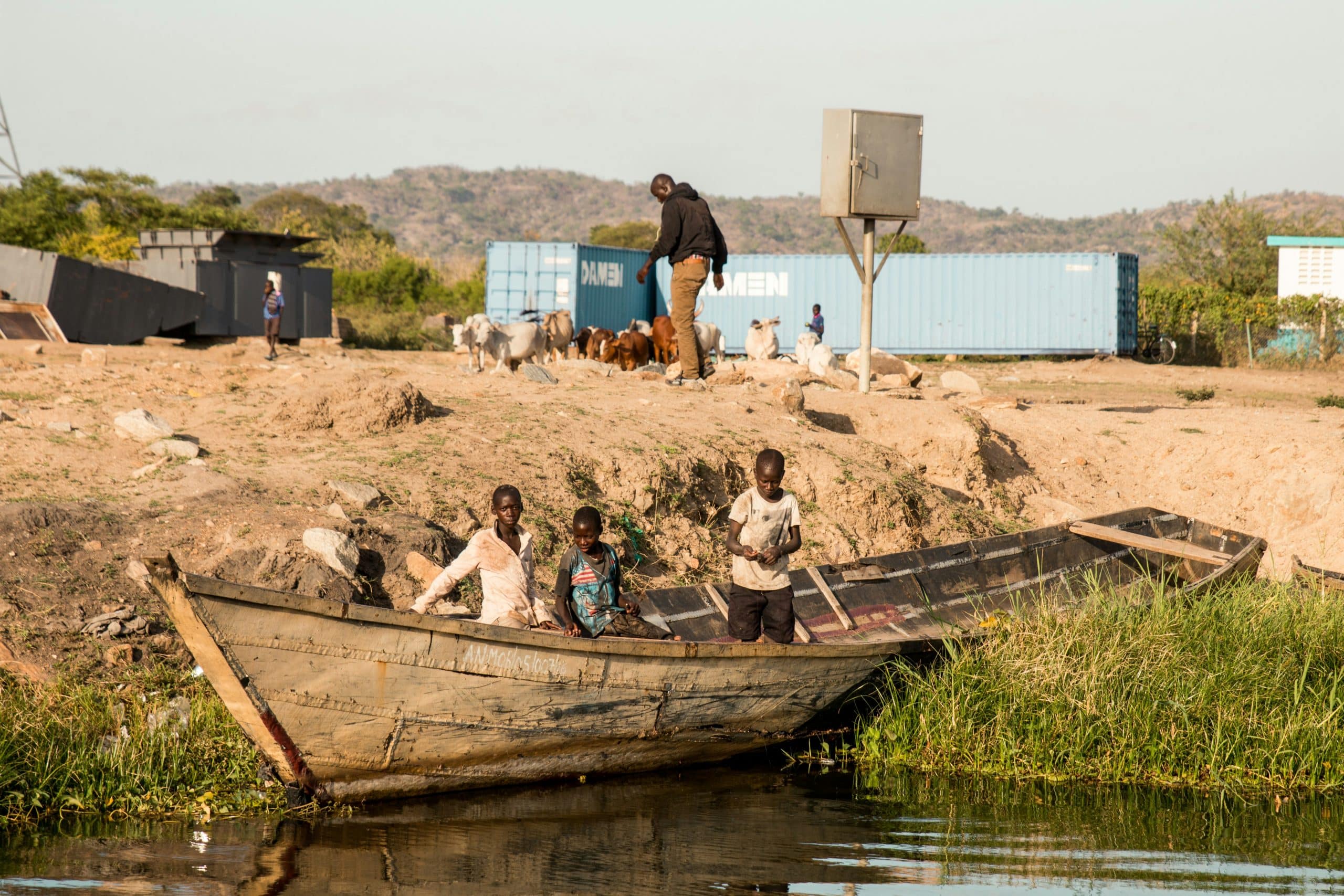
The industrial investment occurs within a complex economic environment characterized by significant development challenges that both constrain and motivate such initiatives. Malawi’s poverty rate of 71.2% in 2023 reflects persistent structural constraints including limited economic diversification, infrastructure gaps, and vulnerability to climate shocks that regularly disrupt agricultural production.
The country’s heavy dependence on agriculture, which employs over 80% of the population and accounts for approximately one-third of GDP, creates both opportunities and vulnerabilities for industrial development. While agricultural dominance provides raw material access for agro-processing industries, climate variability and limited value addition constrain broader economic transformation efforts.
Foreign exchange shortages have particularly impacted industrial operations by limiting access to imported inputs, machinery, and spare parts essential for manufacturing competitiveness. The 2023 economic data shows official foreign exchange reserves of just $198.8 million, representing less than one month of import cover and creating ongoing constraints for industrial investment and operations.
Despite these challenges, Malawi’s government has implemented various incentives to attract industrial investment, including tax breaks, import duty exemptions, and capital allowances in priority sectors including manufacturing. The establishment of Export Processing Zones and planned Special Economic Zones demonstrates policy commitment to industrial development, though implementation has faced capacity and resource constraints.
The African Development Bank estimates that Malawi requires approximately $1.6 billion in external financing to meet development needs, highlighting the scale of investment required for significant economic transformation. Private sector industrial investments like Coca-Cola’s contribution represent important components of broader development financing, though substantially larger commitments are needed for transformational impact.
Inflation rates exceeding 20% in recent years have complicated business planning and investment decisions, making long-term commitments like this industrial investment particularly significant for demonstrating confidence in economic stabilization prospects.
Continental Manufacturing Strategy and Market Positioning
Coca-Cola’s industrial investment in Malawi reflects broader continental expansion strategies that position African countries as integrated manufacturing platforms rather than purely consumer markets. The company operates manufacturing facilities across more than 20 African countries, creating a network that serves both local consumption and regional export markets.
This continental approach acknowledges Africa’s demographic dividend, with over 1.4 billion people and projected population growth to 2.5 billion by 2050, creating expanding consumer markets for manufactured goods. However, the strategy also recognizes that market development requires local production capabilities that can respond to diverse consumer preferences and purchasing power levels.
The investment’s timing coincides with increased continental trade integration under AfCFTA, which eliminates tariffs on 90% of intra-African trade and creates opportunities for regional value chain development. Manufacturing operations positioned to serve multiple markets within this framework gain competitive advantages through economies of scale and reduced trade barriers.
Industry analysis indicates that successful African manufacturing strategies increasingly emphasize regional hubs that can serve clusters of neighboring countries efficiently. Malawi’s central location within southern Africa, combined with SADC membership and established trade connections, positions it strategically for this type of regional manufacturing role.
The continental beverage market demonstrates substantial growth potential, with urbanization, income growth, and changing consumption patterns driving demand for packaged beverages. Coca-Cola executives identify Africa as one of the company’s top growth frontiers, with consumption levels in countries like Nigeria and Egypt reaching levels comparable to more mature markets.
The AI technology integration also reflects global trends toward smart manufacturing that optimize production efficiency, quality control, and supply chain coordination. Implementing such technologies in African manufacturing contexts demonstrates confidence in local technical capabilities while potentially creating demonstration effects for other industries.
Infrastructure and Logistics Considerations
The success of this industrial investment depends significantly on supporting infrastructure that remains challenging across much of sub-Saharan Africa. Malawi’s energy sector constraints, including frequent power outages and limited generation capacity, pose ongoing operational challenges for energy-intensive manufacturing operations.
However, the World Bank Group is collaborating with multiple development financing institutions to implement the Mpatamanga Hydropower Storage Project, which aims to more than double Malawi’s installed electricity generation capacity. This infrastructure development could significantly improve conditions for industrial investment and operations.
Transportation infrastructure presents both opportunities and challenges for the expanded production capacity. While Malawi maintains good road networks and railway connections to regional ports, transportation costs remain high due to the landlocked geography and infrastructure maintenance challenges. The industrial investment’s export orientation requires careful logistics coordination to maintain cost competitiveness in regional markets.
Water availability represents another critical infrastructure consideration for beverage manufacturing operations. Malawi’s abundant freshwater resources, including Lake Malawi, provide advantages for beverage production, though water treatment and quality control systems require ongoing investment and maintenance.
Digital infrastructure has improved significantly in recent years, with mobile network coverage reaching 88% of the population and expanding internet connectivity supporting business operations and supply chain coordination. The AI technology implementation benefits from these digital infrastructure improvements while potentially demonstrating additional applications for smart manufacturing systems.
The government’s commitment to infrastructure development through Vision 2063 includes substantial investments in energy, transportation, and digital connectivity. These infrastructure improvements could create increasingly favorable conditions for industrial investment while reducing operational costs and improving competitiveness.
Broader Industry Implications and Future Prospects
The Coca-Cola industrial investment could catalyze additional manufacturing investments in Malawi, particularly in agro-processing and consumer goods sectors that benefit from similar infrastructure, workforce capabilities, and market access. The demonstration of successful advanced manufacturing implementation may encourage other multinational corporations to consider similar commitments.
The recently launched Magwero Industrial Park, a $300 million project spanning 417 hectares near Lilongwe, provides additional infrastructure for industrial development and could complement Coca-Cola’s investment by creating an integrated manufacturing ecosystem. Such industrial clustering often generates synergies through shared services, supplier networks, and workforce development.
Regional automotive, textiles, and electronics manufacturers have increasingly considered southern African locations for production operations serving both domestic and export markets. Successful implementation of AI-enhanced manufacturing in Malawi could influence these location decisions by demonstrating technological feasibility and workforce capabilities.
The investment’s focus on local sourcing where possible could stimulate supplier development across multiple sectors, creating additional employment and business opportunities. Coca-Cola’s global supply chain requirements often drive quality improvements and capacity expansion among local suppliers, generating broader economic benefits.
Government officials have emphasized the importance of creating demonstration effects that encourage additional industrial investment. The combination of advanced technology, workforce development, and export orientation provides a potential model for other manufacturing sectors considering similar commitments.
Future prospects for industrial development in Malawi depend significantly on continued infrastructure improvements, macroeconomic stabilization, and regional trade integration. The Coca-Cola investment represents an important foundation for these broader development objectives while demonstrating immediate benefits for employment, skills transfer, and export earnings.
Challenges and Risk Mitigation Strategies
Despite the positive implications, the industrial investment faces several challenges that require ongoing attention and adaptive management. Foreign exchange constraints could complicate equipment maintenance, spare parts acquisition, and raw material imports essential for sustained operations.
Power supply reliability remains a persistent challenge for manufacturing operations across Malawi, requiring backup generation capacity and careful production scheduling to minimize disruption costs. The planned hydropower expansion should address these constraints, but implementation timelines remain uncertain.
Skilled labor availability, while addressed through training programs, requires sustained development efforts to meet expanding manufacturing sector needs. The investment’s success in technology transfer and workforce development could influence future labor market dynamics and industrial competitiveness.
Regional political and economic stability affects export market access and supply chain reliability. While southern Africa has generally maintained relative stability, economic challenges in neighboring countries could impact demand and trade flows.
Climate change impacts on agricultural production and water availability pose longer-term risks for beverage manufacturing operations. Drought conditions that severely affected Malawi’s economy in 2024 demonstrate the ongoing vulnerability to climate variability.
Currency volatility and inflation pressures complicate business planning and pricing strategies for both domestic and export markets. The investment’s success requires careful financial management and hedging strategies to address these macroeconomic risks.
Conclusion: Strategic Positioning for Industrial Transformation
Coca-Cola’s $14.9 million industrial investment in AI-powered manufacturing represents more than a capacity expansion—it signals strategic confidence in Malawi’s potential as a regional manufacturing hub despite significant economic challenges. The integration of advanced technology with workforce development and export orientation creates a model that could influence broader industrial development across southern Africa.
The investment’s timing, amid severe economic headwinds including drought, foreign exchange shortages, and high poverty rates, demonstrates remarkable confidence in Malawi’s longer-term prospects and strategic position within regional markets. The decision to implement sophisticated AI technology rather than basic capacity expansion reflects evolving approaches to African manufacturing that emphasize technological advancement alongside traditional cost advantages.
The workforce development components address critical skills gaps that have constrained industrial development while creating demonstration effects that could influence other sectors and investors. The emphasis on technology transfer and training aligns with national development priorities while generating immediate employment benefits.
Regional export opportunities through SADC and COMESA membership provide compelling justification for the industrial investment while contributing to foreign exchange earnings that are desperately needed for economic stabilization. The strategic positioning for serving multiple markets through a single manufacturing platform exemplifies efficient regional value chain development.
The broader implications extend beyond immediate business benefits to encompass industrial policy, workforce development, and regional trade integration. Success in implementing advanced manufacturing technology could influence other multinational corporations’ location decisions while demonstrating Malawi’s capability to support sophisticated industrial operations.
The challenges facing this industrial investment—infrastructure constraints, foreign exchange shortages, skilled labor limitations—mirror broader obstacles to industrial development across sub-Saharan Africa. How Coca-Cola navigates these challenges could provide valuable lessons for other companies and investors considering similar commitments.
Perhaps most significantly, the investment represents a vote of confidence in Malawi’s economic future at a time when such confidence is particularly needed. The combination of advanced technology, workforce development, and regional market positioning creates foundations for broader industrial transformation that extends well beyond beverage manufacturing.
As Malawi pursues its Vision 2063 goals of becoming an industrialized upper-middle-income country, strategic industrial investments like this one provide essential building blocks for economic transformation. The success of this initiative could influence future investment decisions while demonstrating the potential for sustainable industrial development in challenging economic environments.
The integration of artificial intelligence with traditional manufacturing operations in a developing economy context offers insights into how technological advancement can support industrial competitiveness while addressing local development priorities. This balance between innovation and inclusive development represents a model worthy of careful observation and potential replication across the continent.