
As we witness Malawi emerge from the shadows of the COVID-19 pandemic, a remarkable transformation is unfolding in the country’s tourism sector. The Malawi Spotlight explores how sweeping visa reforms, unprecedented investment, and a strategic focus on sustainable development can transform the country’s tourism industry.
We find ourselves asking whether the “Warm Heart of Africa” is finally ready to claim its place among the continent’s premier destinations with its visa-free travel. The answer, according to the latest data and developments, appears to be a resounding yes.
Visa-Free Travel Sparks Tourism Revival
The most significant catalyst for Malawi’s tourism renaissance has been the government’s bold decision to implement visa-free entry for citizens from 79 countries. Announced on 7 February 2024, this sweeping reform represents a complete reversal of the visa policy introduced in 2015, when the government imposed $50 entry fees for single visits and $150 for multiple entries.
According to Tourism Update, the visa waiver programme has already begun to show remarkable results, with Tourism Minister Vera Kamtukule reporting that arrivals in 2024 are expected to total around 1.1 million visitors—substantially surpassing pre-COVID levels. This represents a dramatic turnaround from the pandemic’s devastating impact, when international tourist arrivals plunged by 80% to just 198,905 in 2020.
The visa-free policy extends to major source markets including the United States, United Kingdom, France, Germany, China, and Russia, as well as all members of the Southern African Development Community (SADC) and the Common Market for Eastern and Southern Africa (COMESA). As Visa Verge notes, this strategic move is designed to enhance Malawi’s competitiveness in the African tourism market and position it as an attractive addition to popular regional itineraries.
Investment Surge Drives Sector Growth
The visa reforms have coincided with unprecedented investment levels in Malawi’s tourism sector. According to Nation Online, tourism investment reached K62.7 billion in 2024, representing a 9% increase from K57.6 billion in 2023. This investment surge has translated directly into job creation, with the sector adding 70,000 new positions in 2024, bringing total employment to 670,000—well above pre-pandemic levels of 586,000 in 2019.
The sector’s contribution to GDP has more than doubled to K865.2 billion in 2024, from K394.7 billion during the pandemic’s worst period in 2020. This performance even surpasses the pre-pandemic contribution of K559.1 billion in 2019, according to data from the Ministry of Tourism cited in the 2025 Government Annual Economic Report.
DCAFS & TIPDeP reports that the government has demonstrated its commitment to tourism development by dramatically increasing budget allocations from K4.8 billion in the 2024/25 budget to K17.970 billion in the 2025/26 budget. This substantial increase reflects the sector’s elevation as a priority under President Lazarus Chakwera’s Agriculture, Tourism, Mining, and Manufacturing (ATMM) strategy.
Tourism-Free Travel Policy Transforms Accessibility
The impact of the visa-free travel policy extends far beyond simple convenience. As VoyagesAfriq reports, Minister Kamtukule described the policy as “unleashing the untapped potential of our beloved Malawi and inviting the world to experience its wonders first-hand.”
The policy’s effectiveness becomes clear when compared to regional competitors. Dennis Magodi, head of travel and tourism at the Malawi Institute of Tourism, told Nation Online that whilst Malawi’s recovery is significant, the country had been lagging behind neighbours like Zambia and Kenya, which had previously removed visa restrictions for many countries, making them more attractive to tourists.
The visa-free policy has been complemented by extended validity periods for multiple-entry visas, which can now be valid for up to 12 months, according to Fragomen. This change provides greater flexibility for business travellers and encourages repeat visits, further boosting tourism revenue.
Lake Malawi: The Crown Jewel of Tourism-Free Travel
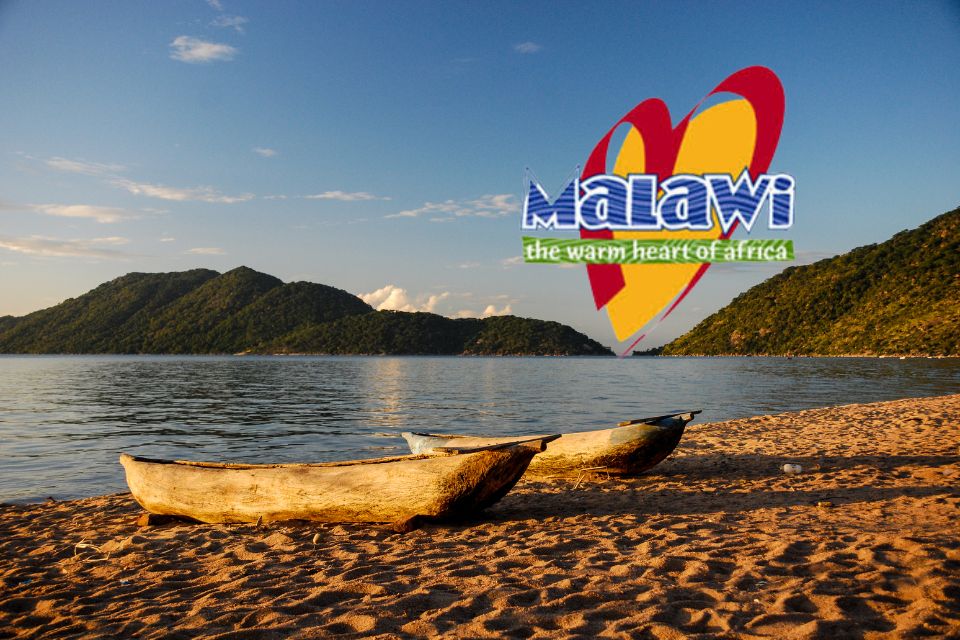
At the heart of Malawi’s tourism renaissance lies Lake Malawi, often described as the country’s crown jewel. According to Malawi Tourism, this vast freshwater lake offers world-class water sports, crystal-clear waters with visibility up to 30 metres, and an incredible diversity of tropical fish species that make it an ideal destination for snorkelling and diving.
The Lake Malawi National Park, designated as the world’s first freshwater national park and a UNESCO World Heritage Site, exemplifies the country’s unique tourism offerings. Go2Africa highlights how the lake stretches almost 600 kilometres along Malawi’s eastern border, offering secluded beaches, pristine islands, and luxury lodges that provide an alternative to traditional beach destinations.
Cape Maclear, on the southern shore, has emerged as the lake’s best-known holiday destination, offering a combination of water sports, cultural experiences, and vibrant nightlife. Meanwhile, private islands like Mumbo Island provide exclusive eco-friendly retreats for travellers seeking complete immersion in nature, according to Go2Africa.
Wildlife Conservation Success Stories Boost Tourism-Free Travel

Malawi’s tourism renaissance has been significantly enhanced by remarkable wildlife conservation achievements that have transformed the country’s national parks from poaching-devastated wastelands into thriving ecosystems. The success of Majete Wildlife Reserve stands as perhaps the most compelling example of this transformation.
According to Robin Pope Safaris, African Parks has reintroduced more than 5,000 animals representing 17 different species to Majete since taking over management in 2003. The reserve has successfully protected every rhino and elephant from poaching since their reintroduction, creating a safe haven that now hosts over 12,000 large mammals.
Malawi Tourism reports that Majete’s tourism revenue increased by 49% compared to pre-COVID levels, generating US$759,087 for the park in 2023 and making it the most economically successful protected area in Malawi. This achievement was recognised by the Malawi Tourism Council, highlighting how conservation success translates directly into tourism revenue.
Similarly, Liwonde National Park has experienced a remarkable transformation. Malawi Tourism reports that the park now hosts over 17,000 animals, with population growth observed across key species including over 1,000 sable antelope, 6,600 waterbuck, 1,300 buffalo, and nearly 600 elephants. The successful reintroduction of cheetahs has resulted in the first cubs born in Malawi for at least 20 years.
Sustainable Tourism-Free Travel Initiatives Lead the Way
Malawi’s approach to tourism development increasingly emphasises sustainability and community involvement. Travel and Tour World reports that Malawi has been recognised as ABTA’s must-visit African destination for 2025, with particular emphasis on its sustainable travel initiatives and low-impact tourism in the country’s forests and highlands.
The northern regions of Malawi exemplify this sustainable approach. Nkhotakota Wildlife Reserve, once severely depleted, now teems with life thanks to sustained habitat restoration efforts. The reserve is now home to over 500 elephants and diverse wildlife populations, according to Travel and Tour World.
Eco-lodges like Tongole Wilderness Retreat and Luwawa Forest Lodge have focused on improving guest experiences whilst expanding conservation efforts and deepening community engagement. These establishments demonstrate how luxury tourism can coexist with environmental protection and community development.
Earth Changers highlights innovative approaches to sustainable tourism, including Payment for Ecosystem Services schemes that contribute 1.5% of all booking values to conservation projects. By 2016, such initiatives had generated over $13,500 for conservation and facilitated more than $36,500 in community donations through over 7,500 travellers.
Infrastructure Development Supports Tourism-Free Travel Growth
The tourism renaissance has been supported by significant infrastructure improvements across the country. African Parks has invested heavily in park infrastructure, with Malawi Tourism reporting that 228 kilometres of roads were graded in Liwonde National Park alone, with an additional 6 kilometres of new roads created and bridges constructed to improve accessibility.
However, connectivity challenges remain a significant barrier to growth. Memory Momba-Kamthunzi, executive director of the Malawi Tourism Council, told Nation Online that whilst tourist traffic has increased following the visa waiver programme, improvements are still needed in air transport connections to strategic cities worldwide and in the domestic road network linking tourism centres.
Tourism Minister Vera Kamtukule has already begun discussions with airlines regarding direct intercontinental flights, recognising that improved connectivity is essential for maximising the benefits of the visa-free travel policy.
Legislative Reforms Create Framework for Tourism-Free Travel
Malawi’s commitment to tourism development has been formalised through landmark legislation. The Tourism Act of 2025, passed by parliament on 8 April, replaces the outdated Tourism and Hotels Act of 1968 and establishes the Malawi Tourism Authority (MTA) as a dedicated body for sector regulation and international marketing.
According to APTA, the new legislation creates a modern framework that can adapt to the constantly changing tourism sector. Minister Kamtukule explained that the previous law created numerous problems because it lacked provisions necessary for contemporary tourism development.
The Act also establishes the Malawi College of Tourism as an upgrade of the existing Malawi Institute of Tourism, providing advanced training and skills development for tourism professionals. This investment in human capital development demonstrates the government’s long-term commitment to sector growth.
Regional Recognition Validates Tourism-Free Travel Strategy
International recognition of Malawi’s tourism potential has grown significantly. Report Linker projects that Malawi’s tourism revenue will reach $260 million by 2028, up from approximately $220 million in 2023, representing an average annual increase of 2.7%. Since 2000, the tourism sector has experienced an average yearly growth rate of 4.7%.
The World Travel & Tourism Council’s Travel & Tourism Development Index (TTDI) 2024 ranks Malawi 115 out of 119 countries, highlighting significant room for improvement. However, DCAFS & TIPDeP notes that Malawi scored above average in socioeconomic impact and demand sustainability categories, indicating strong potential in these areas.
Despite current challenges, industry experts remain optimistic about Malawi’s trajectory. The country’s unique combination of natural attractions—including the third-largest freshwater lake in Africa, diverse wildlife, and rich cultural heritage—positions it well to capture growing demand for authentic, sustainable tourism experiences.
Challenges and Opportunities for Tourism-Free Travel
Whilst the visa-free travel policy has catalysed remarkable growth, significant challenges remain. The Travel & Tourism Development Index identifies key constraints including climate change impacts, macroeconomic imbalances, underdeveloped attractions, limited marketing initiatives, inadequate infrastructure, and gaps in the regulatory framework.
However, these challenges also represent opportunities for continued improvement. The government’s substantial budget increases for tourism development, combined with private sector investment and international partnerships, create a foundation for addressing these constraints systematically.
The success of conservation projects demonstrates Malawi’s ability to transform degraded ecosystems into world-class tourism assets. Similar approaches could be applied to cultural and heritage sites, creating diverse tourism products that appeal to different market segments.
As we examine Malawi’s tourism renaissance, the evidence suggests that the country is indeed positioned for significant growth. The visa-free travel policy has removed a major barrier to entry, whilst substantial investment, conservation successes, and legislative reforms have created a foundation for sustainable development.
The transformation from a country that imposed visa fees on all visitors in 2015 to one that welcomes citizens from 79 countries without charge represents a fundamental shift in approach. Combined with the elevation of tourism as a national priority under the ATMM strategy, these changes signal the government’s recognition of the sector’s potential.
However, success will ultimately depend on continued investment in infrastructure, marketing, and human capital development. The establishment of the Malawi Tourism Authority and the Malawi College of Tourism creates institutional capacity for sector growth, whilst ongoing conservation efforts ensure that Malawi’s natural assets remain attractive to visitors.
As international travel patterns shift towards authentic, sustainable experiences, Malawi’s positioning as the “Warm Heart of Africa” offers compelling advantages. The combination of Lake Malawi’s pristine waters, transformed wildlife parks, rich cultural heritage, and genuinely welcoming people creates a tourism product that stands out in an increasingly crowded market.
The tourism renaissance currently underway in Malawi represents more than just economic recovery—it signals the emergence of a destination ready to compete on the global stage. With visa-free travel removing barriers and continued investment addressing infrastructure gaps, the Warm Heart of Africa appears poised to capture the hearts of travelers worldwide.