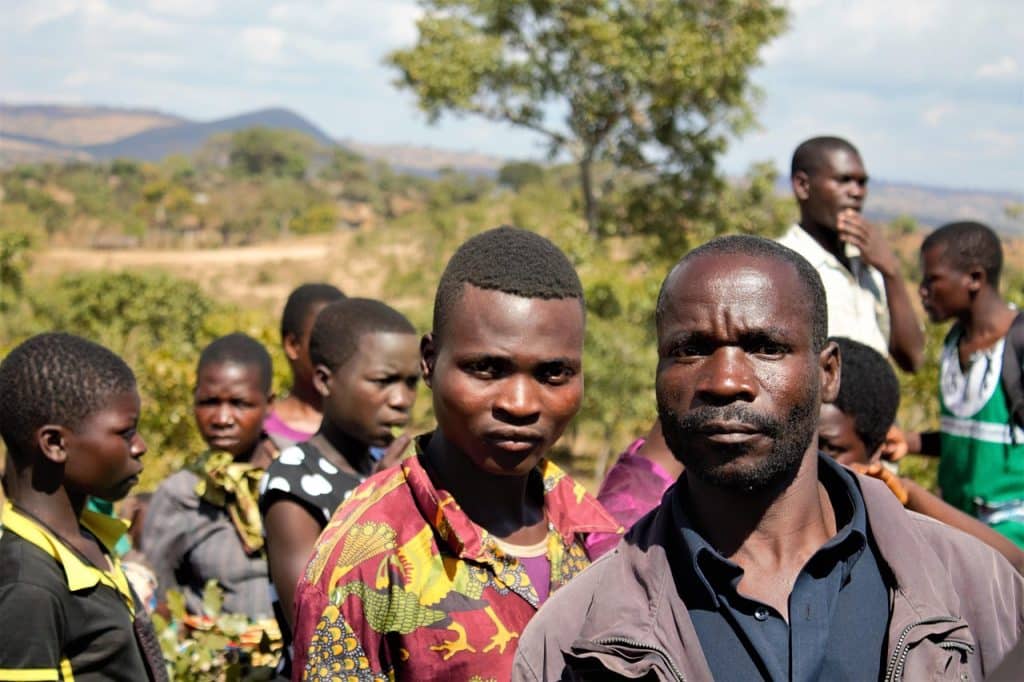

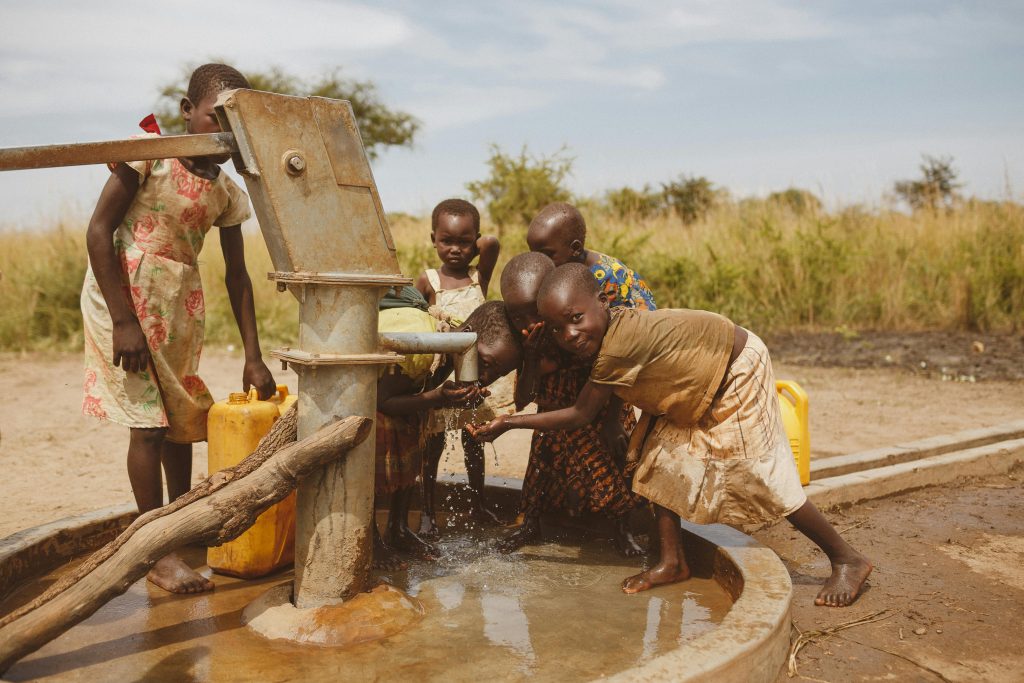
As we examine the complex crisis resulting from President Donald Trump’s sudden decision to halt USAID funding, commonly referred to as the USAID freeze, the implications for Malawi are deeply alarming, revealing a situation that could be characterised as catastrophic.
This suspension of financial assistance has reverberated throughout one of the globe’s most aid-dependent nations, where external support plays a crucial role, particularly in the healthcare sector.
For many years, international donations have served as a vital lifeline, helping to sustain medical services, combat infectious diseases, and promote maternal and child health initiatives.
In this in-depth analysis, we will investigate the severe consequences of the USAID freeze on Malawi’s economic growth and healthcare infrastructure.
Not only will we look at the immediate impacts of the USAID freeze, such as disruptions in services and the depletion of essential medical supplies, but also the long-term repercussions on public health outcomes and economic stability.
Additionally, we will propose targeted strategies that low—and middle—income countries (LMICs) can adopt to navigate this challenging new landscape. We emphasise the need for innovative financing models, increased domestic resource mobilisation, and stronger partnerships with private sector stakeholders.
This exploration aims to illuminate the resilience required to address these unprecedented challenges and foster sustainable development in the face of dwindling external support.
The Immediate Fallout: A Health Sector in Peril
The Guardian’s article, “Devastating: Malawi left in dire straits by Trump’s decision to freeze aid,” paints a grim picture of the immediate impacts.
Malawi, a country where more than half of healthcare spending comes from foreign donors, has seen funding for HIV prevention medication halted and university students on US bursaries left scrambling for alternatives.
Pemphero Mphamba, a health economics researcher at Kamuzu University of Health Sciences, warns that the economy’s dire state could worsen, with high inflation and currency devaluations already crippling the nation.
USAID’s contribution to Malawi’s health sector cannot be overstated. Based on UNICEF data, The Guardian further reports that between 2019 and 2023, foreign donations accounted for 11% of the education budget and 80% of spending on capital projects like schools and classrooms.
The sudden withdrawal of this support threatens to reverse years of progress in combating HIV/AIDS, malaria, and tuberculosis.
As Yvonne Mhango, an African economist at Bloomberg, notes, “The end of aid dependency was not in sight… It’s not like it’s got a vibrant stock exchange or debt market or foreign direct investment coming in in a big way, because they don’t have a consumer market.”
The Ripple Effect: From Clinics to Communities
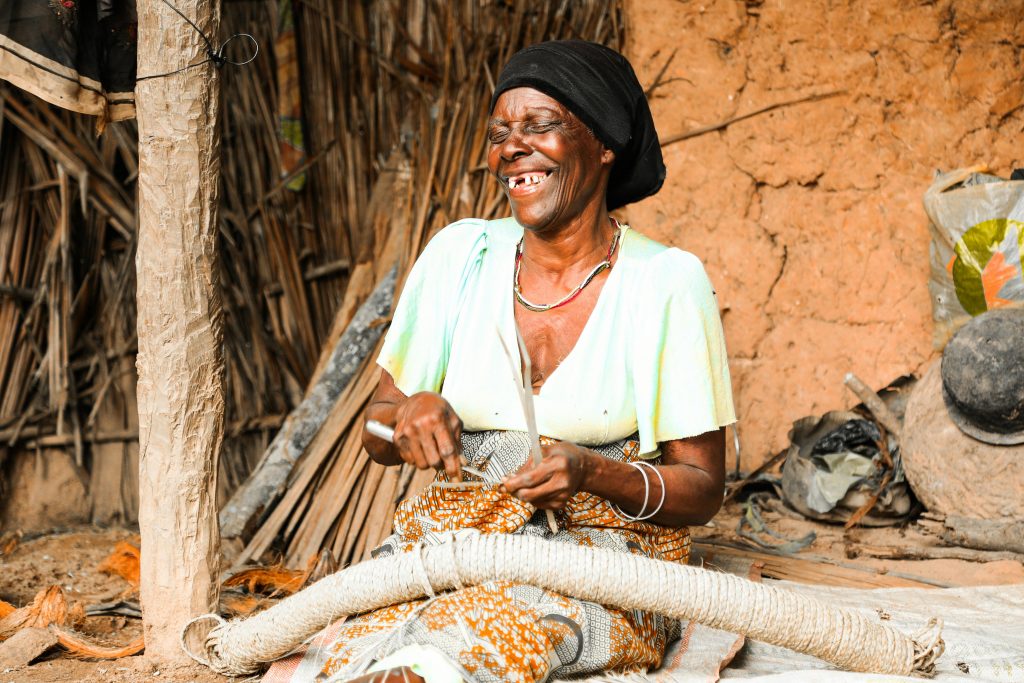
The BBC’s report, “My wife fears sex, I fear death,“ highlights the human cost of the USAID freeze.
Mike Elvis Tusubira, a motorcycle taxi rider in Uganda, fears for his survival as his access to life-saving anti-retroviral drugs is cut off. His story is emblematic of the broader crisis unfolding across Malawi and other African nations reliant on USAID-funded health programs.
In Malawi, the Macro Mzuzu Clinic, a key provider of HIV services, has shut its doors.
Despite a waiver allowing the delivery of medicines like ARVs, the lack of staff to coordinate USAID’s activities has made distribution nearly impossible.
Eddah Simfukwe Banda, a subsistence farmer reliant on donor-funded medication, sums up the despair: “We have to pray as Malawians. Those of us that believe depend on a God who opens doors when one is closed.”
The New York Times’ article, “Abandoned in the Middle of Clinical Trials,“ further underscores the chaos.
Clinical trials funded by USAID have been abruptly frozen, leaving participants with experimental drugs and devices in their bodies and no access to monitoring or care.
The USAID freeze not only jeopardises the health of individuals but also undermines years of scientific research aimed at combating diseases like HIV and malaria.
A Wake-Up Call for Africa
Kenya’s former president, Uhuru Kenyatta, offered a stark assessment during the East Africa region global health security summit in Mombasa: “I saw some people the other day crying [because] Trump is not giving us any more money. Why are you crying? It is not your government, it is not your country! He has no reason to give you anything.”
Kenyatta’s remarks, reported by RFI International, serve as a wake-up call for African leaders to rethink their reliance on foreign aid and explore sustainable, domestic solutions in the face of the USAID freeze.
Serah Melaba, chief impact officer at Nairobi-based NGO Tiko, echoes this sentiment: “This crisis gives us an opportunity to work with our governments and rethink co-financing. We need to think outside the box.”
This presents Malawi with a significant opportunity to harness its abundant natural resources, particularly in the tourism and agriculture sectors.
By developing its picturesque landscapes, diverse ecosystems, and rich cultural heritage, Malawi can attract more visitors, thereby increasing tourism revenue.
Additionally, by investing in sustainable agricultural practices, the country can enhance its farming output, tapping into vital crops like tobacco, tea, and coffee.
This approach can enable this landlocked country, with an ever-growing population of 21 million, to generate substantial income and strive to decrease the nation’s reliance on external aid, which can further foster long-term economic independence and growth.
The Long-Term Implications: A Fragile Future

The Times 360 Online’s report, “USAID suspends projects in Malawi,” highlights the broader policy shifts behind the freeze.
President Trump’s executive orders mandate a review of US foreign assistance programmes to ensure alignment with American interests, targeting diversity, equity, inclusion, and accessibility (DEIA)-related activities.
While the US Embassy in Malawi has assured a smooth transition, the long-term impact on the country’s development landscape remains uncertain.
Malawi’s vulnerability to external shocks, including prolonged droughts, cyclones, and erratic rainfall, exacerbates the crisis.
The World Bank estimates that the economy has been growing slower than the population for the past three years, with GDP per capita at just $481.
The disruption of USAID-funded projects in health, agriculture, and education threatens to push the country further into poverty.
Strategies for Moving Forward
In the face of this crisis, Malawi and other LMICs must explore innovative strategies to reduce aid dependency and build resilience.
1. Diversify Revenue Streams: Malawi’s heavy reliance on tobacco exports, which account for 40% of its export revenue, is unsustainable. For a country already reeling from the effects of an ongoing foreign currency crisis, it is a no-brainer that the government must invest in alternative sectors, such as tourism, renewable energy, and technology, to diversify its economy.
2. Strengthen Domestic Health Systems: The USAID freeze underscores the need for robust, self-sufficient health systems. Malawi should prioritise domestic funding for healthcare, leveraging public-private partnerships and community-based initiatives to fill the gap left by foreign aid.
3. Leverage Regional Cooperation: African nations must collaborate to address shared challenges like climate change and disease outbreaks. Regional organisations like the African Union can be pivotal in mobilising resources and coordinating responses.
4. Advocate for Global Solidarity: While reducing aid dependency is crucial, Malawi must also advocate for global solidarity in addressing systemic issues like climate change and economic inequality. International partnerships, rather than unilateral aid, can provide more sustainable solutions.
5. Prioritise Good Governance and Fight Corruption: One of the most critical steps Malawi must take is to address the pervasive corruption issue, which has plagued the country for decades. Since Malawi became a democracy in 1994, successive governments have paid lip service to fighting corruption, with little tangible progress. Over the past four years under President Lazarus Chakwera, corruption has worsened, undermining public trust and deterring foreign investment.
Corruption is not just a moral issue; it is an economic one. Funds meant for development projects, healthcare, and education are often siphoned off, leaving the most vulnerable populations without essential services. The USAID freeze has exposed how reliant Malawi is on foreign aid, but it has also highlighted the urgent need for transparency and accountability in how resources are managed.
To combat corruption effectively, Malawi must move beyond rhetoric and implement concrete measures. This includes strengthening anti-corruption institutions like the Anti-Corruption Bureau (ACB), ensuring they are independent and well-resourced. Whistleblower protections must be enhanced to encourage citizens to report corruption without fear of retaliation.
Additionally, the government must enforce stricter penalties for corruption-related offenses and ensure that high-profile cases are prosecuted without political interference.
Finally, while emphasising good governance, it is equally important to note that good governance is not just about fighting corruption but about creating systems that work for the people.
This includes improving public service delivery, ensuring equitable resource distribution, and fostering an environment where businesses can thrive without the need for bribes or kickbacks.
Final Thoughts on the USAID Freeze
The recent decision by USAID to freeze funds has starkly highlighted the precarious nature of Malawi’s economy, which heavily relies on foreign aid, especially in the realm of health care.
This USAID freeze has already resulted in significant disruptions, leaving many individuals and families vulnerable without essential health services and support.
However, amidst this turmoil, Malawi has a critical opportunity to take decisive steps towards achieving self-reliance and fostering sustainable development.
Information Minister Moses Kunkuyu has captured this sentiment perfectly by stating, “It is, therefore, in the interest of Malawi for rich countries to continue developing suitable partnering arrangements with countries like Malawi as reliable partners in the global development agenda.”
This emphasises the importance of creating effective partnerships rather than mere dependency.
Moving forward, Malawi faces a formidable challenge. Yet, with innovative approaches—such as investing in local healthcare infrastructure, promoting community-based health initiatives, and enhancing agricultural productivity—the nation has the potential to build a more resilient economy.
This “Warm Heart of Africa” must proactively begin cultivating a stronger sense of community empowerment and encouraging local entrepreneurship.
Malawi can not only weather this storm but emerge with greater strength and autonomy.
The current USAID freeze crisis is a call to action for Malawi and the international community to reconsider their strategies and collaborations.
The global spotlight is firmly on Malawi, urging swift and effective action to redefine its path towards progress and sustainability.
It is a crucial moment, and the actions taken now could greatly influence the future of this nation, where, hopefully, the current concerns about the USAID freeze will become nothing but history.