

As we explore the rapidly evolving landscape of Malawi’s tourism sector, one theme stands out above all others in 2025: the rise of cultural tourism and community empowerment. Far from just marvelling at natural beauty, visitors to the Warm Heart of Africa now seek authentic immersion into local life, traditions, and creative expression.
We, at Malawi Spotlight, have witnessed first-hand how community-based initiatives and cultural experiences are not only redefining Malawi’s tourism appeal but are also driving economic empowerment across the nation.
The Rise of Cultural Tourism in Malawi
Malawi’s abundant cultural heritage, from vibrant music and dance to intricate crafts and centuries-old traditions, has become the latest frontier in the tourism landscape. According to Africa Tourism Connect, a surge in demand for arts-based travel is evident, with visitors increasingly drawn to meaningful engagements like community-led workshops and the chance to learn traditional crafts, cooking, and storytelling from local artisans and elders.
This wave of cultural immersion is reshaping the very nature of travel in Malawi, elevating it from sightseeing to genuine connection and mutual exchange.
Community-based tourism (CBT) sits at the heart of this transformation. Innovative local operators and passionate community entrepreneurs, supported by NGOs and government agencies, are opening up their villages, homesteads, and workshops to visitors.
As outlined by Funds for NGOs, these initiatives allow communities to take charge of their tourism resources, foster equitable benefit sharing, and ensure that economic gains are reinvested locally. Rural communities, once bypassed by mainstream tourism, are now celebrated for their unique customs, landscapes, and crafts—offering guests a chance to participate in daily life and experience Malawi’s true spirit.
Empowerment Through Community-Based Tourism
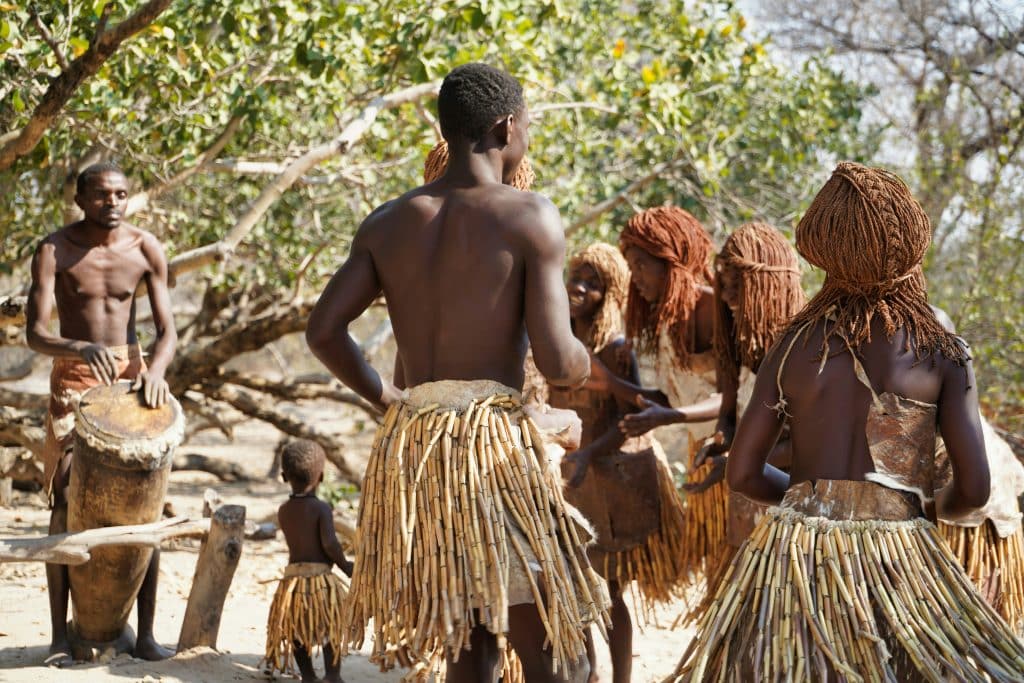
The real power of cultural tourism lies in its capacity to empower local communities. By involving residents in the planning, management, and delivery of tourism experiences, CBT ensures that benefits are distributed fairly, supports job creation, and enhances local skills. According to Orbis DMC, one of Malawi’s leading local operators, the model has led to vibrant collaborations, milestone celebrations, and expanded opportunities for small-scale producers, guides, and performers.
CBT also bridges critical infrastructure and economic gaps. In rural Malawi, where traditional livelihoods face pressure from climate change and youth outmigration, community-led tourism offers a viable alternative. Reports from Funds for NGOs highlight how increased visitor numbers stimulate demand for locally produced food, crafts, and accommodation, reduce reliance on unpredictable agricultural income, and keep young people employed at home.
Critically, cultural tourism strengthens social cohesion and cultural pride. Traditional music and dance festivals, artisanal markets, and heritage workshops are more than attractions—they reinforce identities and preserve Malawi’s rich heritage for future generations.
Transformative Experiences and Authentic Connections
For travellers, cultural tourism in Malawi promises something extraordinary: authentic, transformative experiences. A trip with Earth Changers, a leading responsible travel platform, reveals how guests can support conservation and community projects while enjoying daily life in Malawian villages—from cooking nsima with local families to learning basket weaving, woodcarving, or joining lively songs at a village festival. These immersive journeys forge lasting bonds and create memories that extend well beyond the visit.
Bio-cultural tourism, supported by organisations like UNESCO, further deepens this connection, blending biodiversity conservation with Indigenous and local knowledge. In destinations such as Vwaza Marsh and Nkhotakota Wildlife Reserve, visitors are invited to participate in eco-friendly safaris while engaging in dialogue with traditional custodians about land use and conservation. This approach not only strengthens Malawi’s position as a sustainable destination but also elevates the role of local communities as stewards of both culture and environment.
Success stories from northern Malawi, as recognised by ABTA and showcased in Malawi Tourism’s August 2025 Newsletter, highlight eco-lodges such as Tongole Wilderness Retreat and Luwawa Forest Lodge, where community engagement, conservation, and cultural interpretation are core to the guest experience.
Policy, Challenges, and the Path Forward
The government’s landmark 2025 Tourism Act supports this revolution by establishing the Malawi Tourism Authority and the Malawi College of Tourism, upgrading skills and professional standards across cultural and community-based offerings. According to Minister Vera Kamtukule, these reforms are positioning cultural tourism as a driver of structural transformation—unlocking investment, protecting heritage, and ensuring sustainability for generations to come.
Despite such progress, challenges remain. Malawi’s overall tourism development index remains low, with limited transport infrastructure, inconsistent destination marketing, and climate-related disruptions hindering potential growth. As reported by the Malawi Confederation of Chambers of Commerce and Industry and Travel and Tour World, there is a need for further integration of tourism planning across sectors, greater visibility in international markets, and enhanced connectivity for rural destinations.
Nevertheless, optimism prevails. Strong government commitment, increased tourism budgets, and rising international recognition—coupled with the growing demand for authentic experiences—set Malawi on a promising path. If momentum continues, community-based and cultural tourism could become the linchpin of Malawi’s tourism sector, fostering empowerment and sustainable development far beyond the bounds of traditional travel.
Tourism as the Future of Malawi’s Industry
As we look forward, it is clear that Malawi’s tourism revolution is no longer reliant solely on lakes and wildlife, but rooted instead in the talent, stories, and spirit of its people. Cultural and community-based tourism mark a shift towards travel with value—where both visitors and hosts benefit from real connection, shared empowerment, and mutual respect.
For Malawi, this means economic diversification, cultural preservation, and a stronger platform upon which to build an inclusive, sustainable tourism future. The Warm Heart of Africa has never been warmer, nor more welcoming. For our publication and for travelers seeking meaning over mere movement, cultural tourism is the future—embrace it, and experience Malawi as it truly is.